
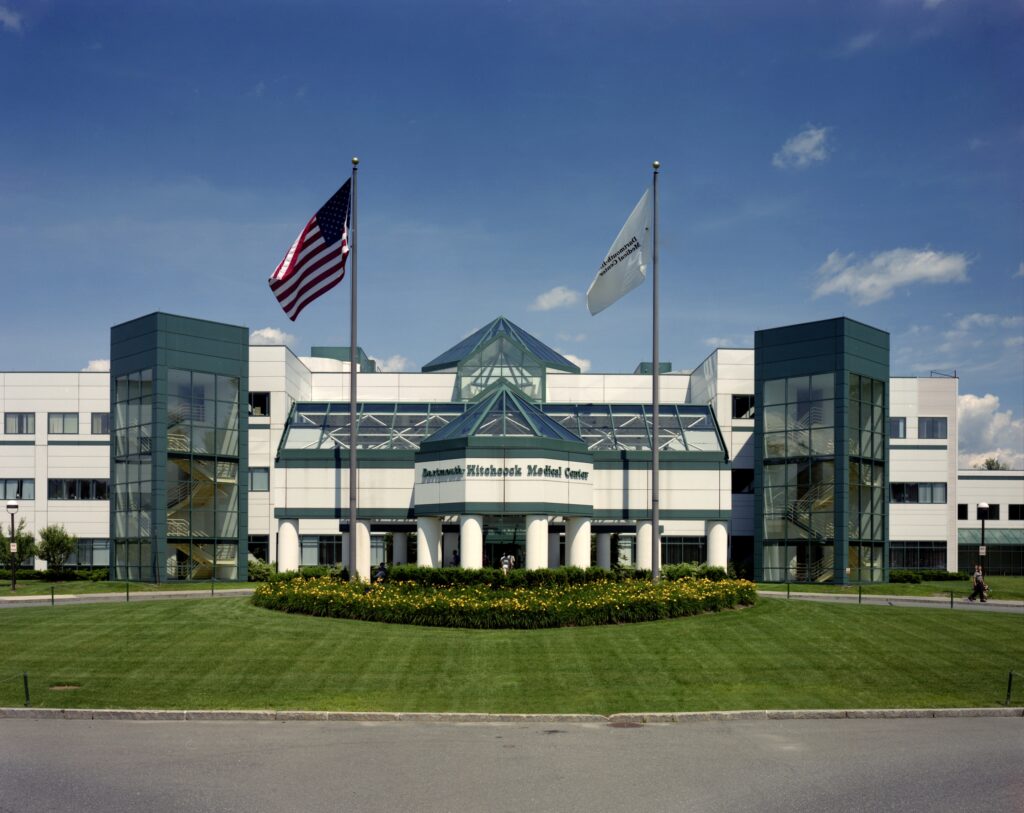
The recent series of moves by the Trump Administration to reel in extraneous government spending has faced vehement pushback from those affected in the world of biomedical research. The first change, which became effective February 10th of this year, was published in an NIH statement which explained a new regulation surrounding the allocation of federal grant money. The new rule stated that a maximum of 15% of grant funding could be spent on “indirect costs,” including overhead expenses like the maintenance of facilities and the payment of research staff. On February 22nd the posting of notices to the Federal Register – an integral part of the grant approval process – was frozen, thereby effectively halting the approval of new NIH grants destined for the universities, medical schools, and other research institutions that depend on them. Research at Dartmouth and in the Upper Valley is not exempt from this reliance, with NIH grants to the Dartmouth Hitchcock Medical Center, Dartmouth College, and the Geisel School of Medicine totaling over $100 million.
This effort on the part of the Trump Administration to reduce NIH spending through its cutting of grants is aligned with the more general effort to reduce government waste, a movement spearheaded by Elon Musk and his Department of Government Efficiency (DOGE) team. However, it appears that there are more specific reasons behind certain cuts to research funding. Speaking with Valley News, chief research officer at DHMC Steven Bernstein states that training grants targeted for “individuals and historically underrepresented communities in science” have specifically been eliminated along with funding for health equity studies. After meeting with those at the Dartmouth Cancer Center in Lebanon on March 20, New Hampshire Senator Maggie Hassan, a Democrat, urged her hosts to speak out, saying, “when people come together to push back, we have a much better chance of reversing some of these things.” It would appear as though her wishes came true, as shortly after on April 4th hundreds of Hanover residents gathered in the streets to protest a multitude of issues, among them the recent moves by the NIH.
There is little doubt that bringing greater efficiency to the federal government is a valiant effort, but it is one that should be treated with the utmost attention to detail, lest important research efforts on the brink of breakthroughs become halted unnecessarily. It is also apparent that any government effort which involves a reduction in funding will elicit intense scrutiny from those affected, regardless of its intentions or even its ultimate effectiveness. While details surrounding ambiguous studies in the name of health equity remain unclear, what is clear is that research driven by the goals of developing life-saving medicine and advancing scientific knowledge should be considered legitimate candidates for federal funding going forward. We will not lose sleep, however, if the Trump administration succeeds in halting programs that distract from the purpose of medical professionals, which is to practice medicine.

Be the first to comment on "Federal Funding Cuts Threaten DHMC’s Health Equity Studies"