
Sometimes we take for granted that we hail from the smallest college in the Ivy League. This feature can be characterized by some pompous naysayers to our south (hey, Harvard) as a deficiency, though I take no stock in such heresy. Still, our supporters can get caught up in flowery concepts that hardly get at the practical benefits our size provides. Smaller class sizes are valuable on multiple fronts, to be sure. One such advantage, a more personal relationship between students and professors, seems to me to be on the decline.
Small class sizes and seminar-style discussions naturally bring students closer to the professors. Instead of relying on lackluster lecturers and TAs in the classroom, we are privy to some of the best teachers the United States can provide. The Dartmouth professor is not simply a researcher who masquerades as a teacher, which isn’t always true of academics at our peer institutions. Dartmouth students can directly ask questions of our professors, and perhaps most especially, receive direct consultation on our own work. In a world where pure writing ability is becoming a premium (and perhaps rare) skill, our student-to-professor ratio is paramount.
We overlook the non-academic aspects of these relationships. Not to beat a dead horse, but the liberal arts are about cultivating humans for global citizenship, not merely students with professional skills. If professors narrow their efforts to the classroom, they aren’t satisfying their responsibilities. The ideal Dartmouth scholar is compassionate, with a conscious desire to help lead students to some version of the Good Life. Students barely know Aristotle anymore, but higher education has the potential to promote his concept of eudaimonia. Professors can be active agents in the pursuit of living well.
The onus is equally on professors and students to build relationships that ultimately become friendships. These don’t necessarily look like friendships between students, as they need to remain professional and academic. But they do need to foster feelings of openness and comfort that enable students to reach their full potential. If a professor comes off as distant, students may hesitate to ask honest questions. More friendlier relationships break down the mental barriers that can limit learning.
Professors should actively take interest in students’ lives outside the classroom. They should be mentors who offer support in their career search, who help guide students through the tribulations of college life. They should routinely assure students that there’s more to learning than grades. Mentors like this can be hard to come by. Why, when we have so many brilliant adults with so much rich experience in life, should we dismiss this untapped potential?
I’m not arguing that professors should pry into their students’ private lives. I’m not saying professors should be overly soft or diminish their academic standards. Quite the contrary, actually. I’m suggesting that too many professors do too little. They give lectures, grade papers, and go home. That might get you by at a state school, but it shouldn’t here. Checking in with students won’t add to their workload, but will offer needed respite from the rigors of scholarship. Human connection is better for all those involved, if you can believe it. I’m fortunate to have had a number of professors who embody this ideal model.
The Administration offers students vouchers each term to get lunch with a professor. This is a good start. Beyond that, there seems to be little encouragement to build lasting relationships with students. From what I understand, presidents before Beilock made a more concerted effort to inculcate robust faculty-student relationships. Now, it’s as if the College views professors as clerical stewards of professionals-to-be, not as potential life mentors. Frankly, there’s a degree of anonymity that’s not concomitant with the liberal arts.
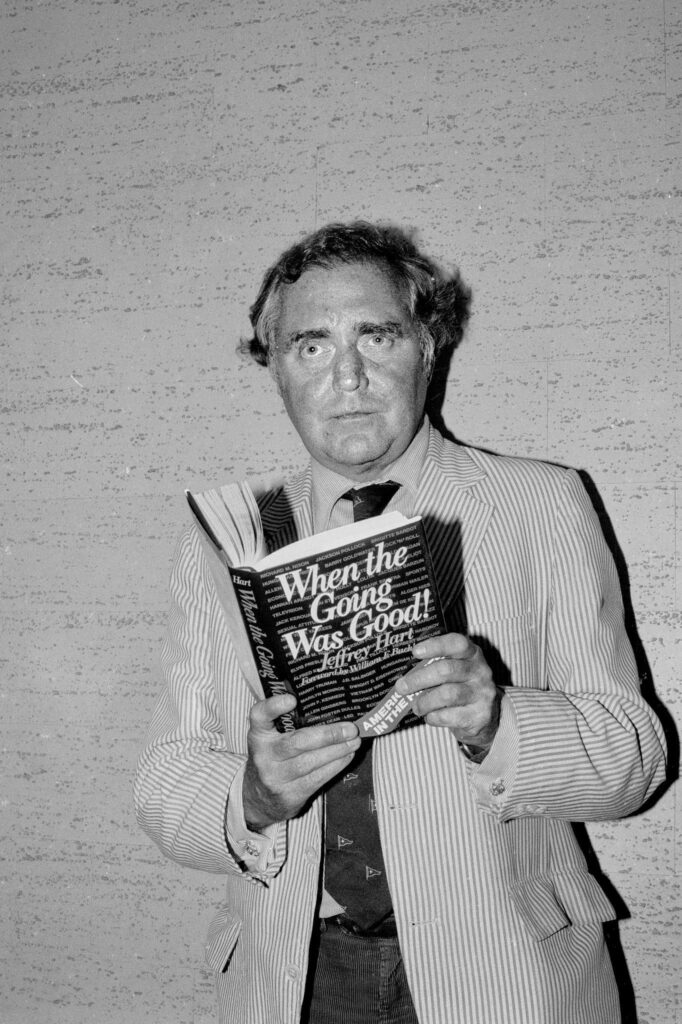
The inspiration for this editorial comes from Professor Jeffrey Hart, whose living room allowed for the genesis of this very publication. My proposed solution looks something like that. Professors should open their doors, meet their students for dinner, and start reading groups on living room couches. A more personal investment in students’ education could go a long way in their moral development.
Be the first to comment on "Professors as Mentors"