
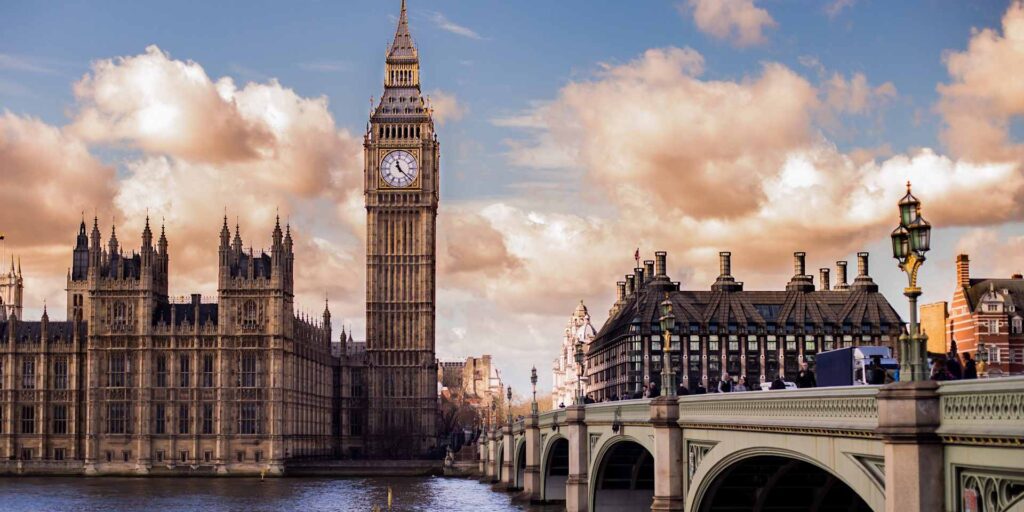
As the deadline nears to apply to foreign study programs for the fall term, I’d like to offer some words of encouragement to those who either haven’t considered an FSP or are on the fence about participating. Having spent a term in London studying history, I feel qualified to present an honest assessment of the experience, not as a representative of the College or a particular department but as an impartial participant.
When I applied, and was ultimately accepted, to Dartmouth, I hadn’t really considered studying abroad. Truthfully, I wasn’t aware of the value that such an experience could provide. It seemed to me an inessential part of the curriculum that could merely be used as a flashy selling point during admissions and perhaps distract from my academic and extracurricular pursuits in Hanover. I’ve come to determine that studying abroad is indeed worthwhile, and I’d even venture to say it’s an essential part of the Dartmouth experience.
My interest in studying abroad began in the spring term of my freshman year when I took a class on modern British history with Professor Estabrook (who makes an appearance on The Review’s best professors list). My newfound interest in British history naturally lined up with the history department’s foreign study program, which is based in London. I decided to apply, in part because I wanted simply to visit the country with which I had recently become fascinated, and in part because it could allow me to more deeply research some of the topics introduced by Professor Estabrook.
I made the right decision. No amount of readings or exams can replace the learning one accumulates when abroad for three months. By living in a foreign country, you are able to immerse yourself in the unfamiliar rhythms of foreign culture. This is not simply the same as taking a vacation with your family for a week. A vacation is not enough time to properly recognize the idiosyncrasies of routine life in a far-away place. Three months is hardly enough time, either, but it gives you a taste of a different world.
I arrived in London having never left the United States before. Going abroad allows you to put things into perspective and realize just how big the world is. It opens doors to customs that might pique your interest, to foods that you fall in love with, to histories and people you knew very little about. At the same time, it allows you to appreciate your own home. Don’t get me wrong, I loved London, but I also realized just how good we have it compared even to our diplomatic partners across the Atlantic.
When I applied, and was ultimately accepted, to Dartmouth, I hadn’t really considered studying abroad. Truthfully, I wasn’t aware of the value that such an experience could provide. It seemed to me an inessential part of the curriculum that could merely be used as a flashy selling point during admissions and perhaps distract from my academic pursuits.
Academically, my FSP experience was eye opening. The history program doesn’t put you in throw away classes but instead attempts to train you in historical methods. The centerpiece is an independent research project, with archival sources forming the basis of this paper. We got to “do” history by handling actual documents and manuscripts. I read through letters from prime ministers, for example. This is something you can’t do in an ordinary classroom. Another highlight of the program is a London in History course that essentially gives you a modern British history tour of the city. Taught by Ian Stone, it was one of the best classes I’ve taken while at Dartmouth.
I’m drawing on my own experiences in the history department, but I’m sure others will say the same: they got more out of their FSP than they imagined they would. These programs are essential to the Dartmouth experience because they embody everything right about the liberal arts. They challenge you to consider your place in the world, they invite you to be open to new experiences, and they show you that you can learn by experience.
I made the right decision. No amount of readings or exams can replace the learning one accumulates when abroad for three months. By living in a foreign country, you are able to immerse yourself in the unfamiliar rhythms of foreign culture. This is not simply the same as taking a vacation with your family for a week. A vacation is not enough time to properly recognize the idiosyncrasies of routine life in a far-away place. Three months is hardly enough time, either, but it gives you a taste of a different world.
In particular, I’m imploring American students who spend most of their time with algorithms and software to consider a term abroad, even (and perhaps especially) if it deviates from their typical class subjects. It would be a shame if all you get from your Dartmouth experience is top notch coding skills and frostbite from the winter. Give yourself a fresh perspective on the world. Studying abroad could help you find your humanity more than any computer science class ever could.
Be the first to comment on "On the Value of Studying Abroad"