
Earlier this month, President Sian Leah Beilock announced that Dartmouth would not sign onto the Trump administration’s “Compact for Academic Excellence in Higher Education.” Her decision, shared with the Dartmouth community on October 18 and communicated directly to the White House, reaffirmed her vision of the College’s commitment to academic freedom and institutional independence.
The compact, distributed to nine leading research universities on October 1, outlined a set of expectations in exchange for preferences in research funding. Among its provisions included limits on international student enrollment at 15%, restrictions on grade inflation, and the adoption of a binary definition of gender. The White House described the compact as a means to restore merit in higher education, while critics argued that it would jeopardize university independence and constrain academic debate.
“I do not believe that a compact with any administration is the right approach to achieve academic excellence,” Beilock wrote in her message. “It would compromise our academic freedom, our ability to govern ourselves, and the principle that federal research funds should be awarded to the best, most promising ideas.”
Dartmouth’s decision came shortly before the administration’s October 20 deadline, making the College the final Ivy League institution to reject the proposal, following Brown University, the University of Pennsylvania, and others.
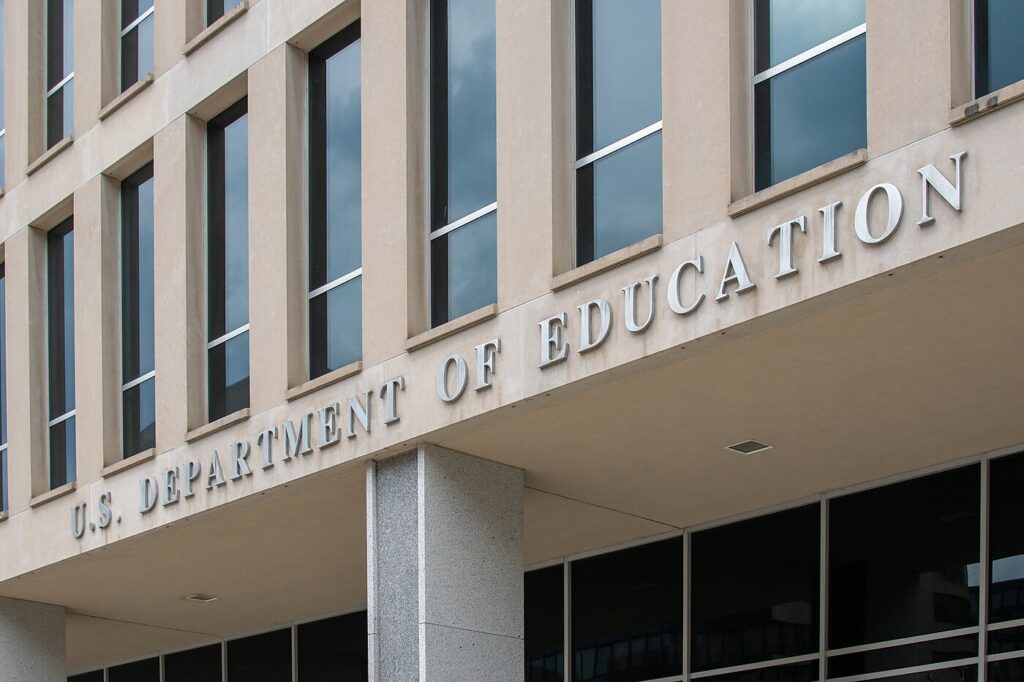
In her letter to Secretary Linda McMahon and senior adviser May Mailman, Beilock reiterated Dartmouth’s partnership with the federal government but expressed reservations about the compact’s structure. “Our universities have a responsibility to set our own academic and institutional policies,” she wrote. “Staying true to this responsibility is what will help American higher education build bipartisan public trust.” She added that Dartmouth “remains open to other ways to work with the federal government to enhance higher education.”
The College’s current position aligns with its historical emphasis on institutional autonomy. Since the Supreme Court decision Dartmouth College v. Woodward in 1819, which affirmed Dartmouth’s independence from state interference, the College has frequently stressed the importance of self-governance. Beilock’s response reflects that same tradition, highlighting the balance between collaboration and protection of academic freedom.
Across the country, most of the universities approached by the Trump administration took similar approaches. The University of Arizona joined Dartmouth in declining to sign, while the University of Texas expressed limited openness. Vanderbilt University gave feedback and noted concerns but did not signal outright rejection.
Beilock’s response underscores the College’s general approach to federal policy engagement: cooperative but cautious. Dartmouth relies heavily on federal research funding but tries to maintain the integrity of its education through institutional independence. In her letter, Beilock wrote that “higher education can and must do better” but that progress should come from within the academic community rather than through binding federal agreements. The statement shows a middle position that accepts the need for reform while resisting an external definition of excellence.
Beilock’s correspondence concluded by stating that Dartmouth “remains open to future conversations” about strengthening the nation’s higher education system. The College’s response reflects a pattern among American universities that have sought to balance cooperation with government agencies and the preservation of autonomy.
Be the first to comment on "Dartmouth Rejects the Trump Compact"